
An Insider Tells Us the Secrets About Car-Sharing in Singapore
Description
The Blue Cats' Instagram: https://www.instagram.com/singaporethebluecats/ Car-sharing in Singapore has achieved one of the highest user penetration rates globally at approximately 7%, making these vehicles a common sight around the city. Surprisingly, car-sharing can often be cheaper than taking private-hire vehicles (PHV), especially for multiple trips or full-day use. For example, a family making eight separate PHV trips on a weekend could spend over $160, while using a car-sharing service for the entire day might cost only $40-50 including petrol. Even for daily CBD commuting, where peak-hour PHV fares can reach $45 each way ($90 total), car-sharing from 7am to 6pm costs around $65 plus petrol ($75 total). Car-sharing operates through mobile apps where users book vehicles located in multi-story car parks. The cars have dual locking systems - traditional car keys and remote app-controlled locks. Users must inspect and photograph the vehicle before use to document any pre-existing damage, then return the car with the same fuel level. There are two models: Point A to A (same pickup and return location) and Point A to B (different return locations). According to CNA, car-sharing is cost-effective for people driving less than 100km daily, with monthly costs around $500 for those driving under 20km daily, compared to the higher expenses of car ownership. The main concern for car-sharing users is the high insurance excess fees. Unlike personal car insurance where excess is typically $500, car-sharing companies charge much higher amounts - often thousands of dollars across two categories ("lines"): own vehicle damage and third-party damage. For example, Tribecar charges $3,000 for each category for regular users, and $5,000 each for new drivers, potentially totaling $10,000 before GST. This high excess is industry standard for both car-sharing and rental companies, designed to encourage careful driving. The high excess rates are justified as industry norms that apply to all rental and car-sharing services, not just personal vehicle ownership. Companies argue this encourages users to "self-guard" by driving more carefully or purchasing additional protection options. Some firms offer reduced excess rates for higher booking fees, similar to traditional insurance where higher premiums result in lower excess amounts. The significant logo branding on these vehicles serves dual purposes: helping users locate cars in parking areas and providing mobile advertising that helps keep costs down for customers.
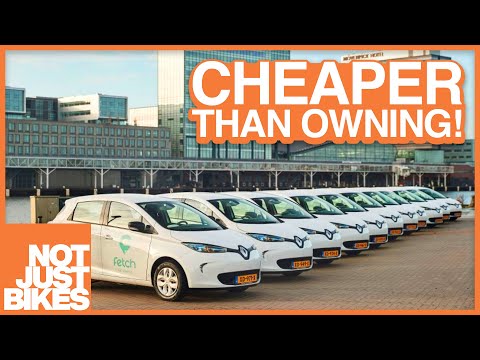 12:52You Don't Need to Own a Car (If You Don't Drive to Work)Not Just Bikes
1.1M views
 3:59Apartment Living Without a Car....Grocery ShoppingDirtpatcheaven
4.8K views
 33:13Living car-free in the Arizona desert: inside Culdesac Tempe (full walkthru)Kirsten Dirksen
195K views
 14:15Which Car Sharing Platform is Best? | Getaround Vs. TuroAubrey Janik
17K views
 4:42Solar Powered E-Bike (Trike) Designed to Reduce City TrafficExploring Alternatives
474K views
 8:46I Tried Out Car Sharing - My Experience with MyWheelsDillion Megida
1.9K views
 22:20Is Car Sharing Really Cheaper Than Car Ownership In Singapore? | Talking Point | Full EpisodeCNA Insider
379K views
 1:21:138. Next Generation Innovation Lab. Nadder Community Energy, EV car clubcsebristol
122 views
 6:15What if sharing cars was part of public transport?Urban Mobility Explained
3.5K views
 1:01:49Susan Krumdieck: Sustainable Transport and Urban DesignPermasolutions
1.5K views
 3:53Carsharing in the City | EuromaxxDW News
727 views
 9:29MUSTELID - Episode 5 : Rigging MUSTELIDSmall Boats Magazine
9K views
 3:14What to know before renting from a car sharing appCBS Detroit
1.6K views
 2:14Local Links: What are the benefits of car sharingLocal Links
113 views