
Heat Stress and the Work Environment
Description
Hot temperatures impact countless workers each year. For some, this is only the case during the summer months, but for others, exposure to sweltering temperatures could be a year-long fact of life. According to The National Institute for Occupational Safety and Health (NIOSH), workers who are exposed to extreme heat or work in hot environments may be at risk of heat stress. Heat stress can result in heat stroke, heat exhaustion, heat cramps or heat rashes. Some of the workers at risk include outdoor workers and those in hot environments such as firefighters, bakery workers, farmers, construction workers, miners, boiler room workers and factory workers to name a few of the many occupations. In fact, the Occupational Safety and Health Administration (OSHA) reveals that millions of U.S. workers are exposed to heat in the workplace. OSHA goes on to state that although illness from exposure to heat is preventable, every year, thousands become sick from occupational heat exposure, and some cases are fatal. Some of the occupational risk factors for heat illness listed by OSHA include heavy physical activity, warm or hot environmental conditions, lack of acclimatization, and wearing clothing that holds in body heat. Hazardous heat exposure can occur indoors or outdoors, and can occur during any season if the conditions are right, not only during heat waves. Workers at greater risk of heat stress include those who are 65 years of age or older, are overweight, have heart disease or high blood pressure, or take medications that may be affected by extreme heat reports NIOSH. To help protect workers, NIOSH provides recommendations for employers to reduce workplace heat stress by implementing engineering and work practice controls; training workers; ensuring workers are acclimatized before they work in a hot environment; providing the means for appropriate hydration; and ensuring and encouraging workers to take appropriate rest breaks to cool down and hydrate. These are just a few of the many things to know about preventing occupational heat stress. To learn more about this or other industrial hygiene, environmental, health or safety issues, please visit the websites shown below. Clark Seif Clark https://www.csceng.com EMSL Analytical, Inc. https://www.emsl.com LA Testing https://www.latesting.com Zimmetry Environmental https://www.zimmetry.com Healthy Indoors Magazine https://www.healthyindoors.com
 2:56Working in the heat: how to dressThe Grow Network
266 views
 2:57EARLY SIGNS AND SYMPTOMS OF HEAT EXHAUSTION AND HEAT STROKE (SMHY5103 Industrial Hygiene )MUHAMMAD IHSAN BIN MAT NOH
43 views
 48:02IECRM Safety Forum: OSHA Heat SafetyIECRM - IEC Rocky Mountain
10 views
 8:14Survive the Summer Heat: 5 Proven Tips for Maximum Comfort & Productivity at WorkOff-Grid with Curtis Stone
31.9K views
 16:01MS Community Emergency Response Team (CERT) - Fire Extinguisher and Fire Suppression TrainingMississippi Office of Homeland Security
704 views
 6:01Mosquito Bucket Follow Up Q&A | You Asked, I AnsweredjoegardenerTV
30.7K views
 4:304. Heat Stroke & Heat Exhaustion (Loo) – Symptoms, Treatment & Prevention | Dr. HaideryDr. Haidery -- First Aid & Health Tips
1.4K views
 44:48Health Talk MS | Summer SafetyMississippi State Department of Health
97 views
 2:32How To Treat Heat Stroke, Signs & Symptoms - First Aid Training - St John AmbulanceSt John Ambulance
333K views
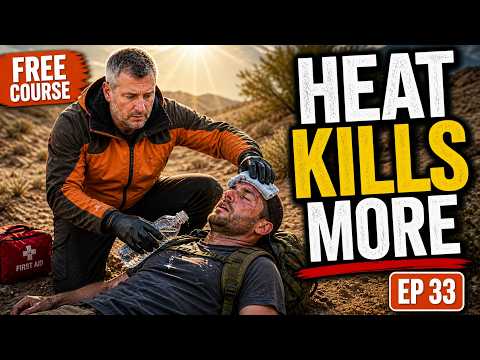 16:08Heat Exhaustion, Heat Stroke & Hydration (Wilderness Guide)American Outdoor School
1.5K views
 56:23Heatstressohcowclinics
426 views
 2:35RNLI Life Skills: teach your child to tread waterRNLI
19.3K views
 8:40Living and Gardening Safely With Sydney Funnel-Web Spiders | Gardening AustraliaGardening Australia
18.4K views
 4:40How to stay safe in the winter weatherHealthSafetyNews
391 views